
Training your dog is an essential part of being a responsible pet owner. Not only does it help create a strong bond between you and your furry friend, but it also ensures that your dog is well-behaved and safe in various situations.
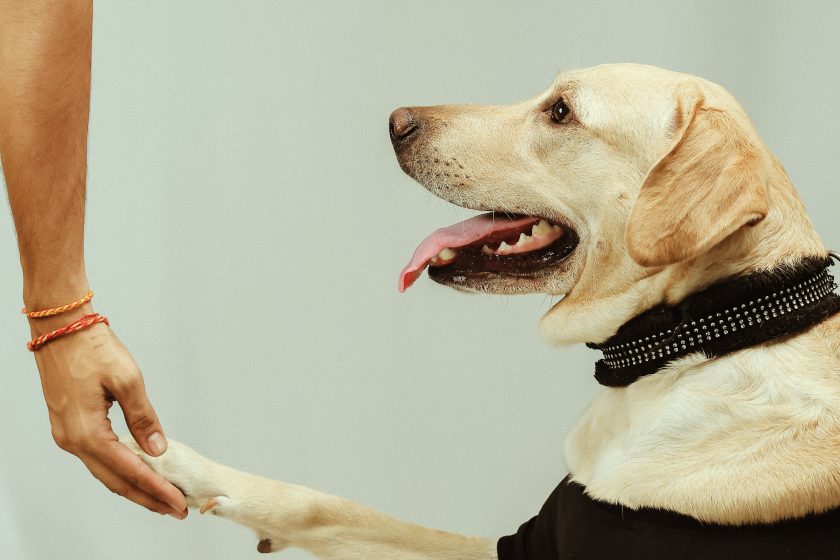
However, training your dog can be a challenging task, especially for first-time pet owners.
There are many common mistakes that people make when training their dogs, which can hinder progress and even cause behavioural issues. In this article, we will discuss 10 common mistakes to avoid when training your dog, so you can have a successful and enjoyable training experience.
1. Inconsistency:
One of the most common mistakes that dog owners make when training their pets is being inconsistent with their commands and expectations. Dogs thrive on routine and consistency, so it’s important to set clear rules and boundaries and stick to them. If you allow your dog to jump on the couch one day and scold them for it the next, they will become confused and frustrated. Make sure everyone in your household is on the same page when it comes to training your dog and that you are consistent with your commands and rewards.
2. Using punishment as a primary training method:
Using punishment as a primary training method can be damaging to your dog’s mental and emotional well-being. While it’s important to correct unwanted behaviours, using positive reinforcement is much more effective in the long run. Positive reinforcement involves rewarding your dog for good behaviour with treats, praise, or toys, rather than punishing them for bad behaviour. This creates a positive association with training and helps build a strong bond between you and your dog.
3. Skipping basic training:
Many dog owners make the mistake of skipping basic training and jumping straight into advanced commands. However, basic training is the foundation for all other training and should not be overlooked. Teaching your dog basic commands such as sit, stay, come, and heel will help them understand what is expected of them and make it easier to teach more advanced commands later on. Take the time to properly train your dog in the basics before moving on to more complex tasks.
4. Overwhelming your dog:
Another common mistake that dog owners make is overwhelming their dog with too much information or training too quickly. Dogs have limited attention spans and can become frustrated or confused if they are bombarded with too many commands at once. Break training sessions into short, frequent sessions and focus on one command at a time. This will help keep your dog engaged and motivated to learn, without feeling overwhelmed.
5. Neglecting socialisation:
Socialisation is a crucial aspect of training your dog and should not be overlooked. Dogs that are not properly socialised can develop behavioural issues such as fear and aggression towards other dogs and people. Make sure to expose your dog to a variety of different environments, people, and animals from a young age to help them feel comfortable and confident in different situations. Enrol your dog in obedience classes or visit dog parks to help them socialise in a controlled environment.
6. Not setting boundaries:
Setting clear boundaries is essential when training your dog, as it helps them understand what is acceptable behaviour and what is not. Without clear boundaries, your dog may become confused and exhibit unwanted behaviours. Make sure to establish rules for your dog, such as not jumping on furniture, not begging for food, and not pulling on the leash during walks. Consistently enforce these boundaries and reward your dog for following them to reinforce good behaviour.
7. Lack of patience:
Training a dog takes time, patience, and consistency. Many dog owners make the mistake of expecting their dog to learn commands quickly and become frustrated when they don’t see immediate results. Remember that every dog is different and learns at their own pace. Be patient with your dog and celebrate small victories along the way. Training should be a positive and enjoyable experience for both you and your dog, so take your time and avoid rushing the process.
8. Using the wrong training methods:
There are many different training methods available, and it’s important to find the one that works best for you and your dog. Some dogs respond well to positive reinforcement, while others may require a more assertive approach. Do your research and consult with a professional trainer to determine the best training methods for your dog’s temperament and personality. Avoid using harsh or outdated training techniques that can harm your dog’s trust and confidence.
9. Neglecting mental stimulation:
In addition to physical exercise, dogs also need mental stimulation to keep them engaged and prevent boredom. Neglecting mental stimulation can lead to destructive behaviours such as chewing, digging, and excessive barking. Incorporate mental exercises into your dog’s daily routine, such as puzzle toys, obedience training, and interactive games. This will not only keep your dog entertained but also help strengthen their cognitive abilities and improve their overall behaviour.
10. Giving up too soon:
Training a dog is a lifelong commitment and requires ongoing effort and dedication. Many dog owners make the mistake of giving up on training too soon, especially when they encounter challenges or setbacks. Remember that training takes time and consistency, and it’s normal to experience obstacles along the way. Stay patient and persistent, and seek help from a professional trainer if needed. With the right approach and mindset, you can overcome training obstacles and build a strong bond with your dog.
In Conclusion about training your dog:
Training your dog is a rewarding and fulfilling experience that can strengthen your bond and improve your pet’s behaviour. By avoiding these common mistakes and following positive training techniques, you can set your dog up for success and create a harmonious relationship based on trust and mutual respect. Remember to be patient, consistent, and always prioritise your dog’s well-being and happiness. With the right approach and mindset, you can enjoy a lifetime of companionship and joy with your furry friend.