

Dog training is about more than teaching a dog to sit or stay. At its core, training is how dogs and humans learn to live together in a way that feels calm, safe, and predictable for both sides. A well-trained dog is not just obedient. It is confident, understood, and able to handle everyday situations without stress.
The foundation of good training is understanding how dogs learn. Dogs don’t reason through rules the way people do. They learn through consequences. Behaviors that lead to something pleasant are repeated. Behaviors that lead to nothing, or to discomfort, fade away. This is why timing matters so much. If a dog sits and gets a treat immediately, the dog connects sitting with reward. If the reward comes ten seconds later, the lesson is already lost.
Positive Reinforcement

Modern dog training relies heavily on positive reinforcement. This means rewarding behaviors you want to see more often. Rewards can be treats, toys, praise, or access to something the dog enjoys, like going outside. Positive reinforcement works because it motivates dogs to think and make choices. Instead of avoiding punishment, the dog is actively trying to earn something good. This leads to faster learning and a stronger bond between dog and owner.
That doesn’t mean structure and boundaries are ignored. Dogs still need clear guidance. The difference is how that guidance is given. Rather than correcting mistakes harshly, good trainers focus on setting the dog up to succeed. For example, if a young dog keeps stealing food from the counter, the solution is not constant scolding. It’s managing the environment so food is out of reach, while teaching an alternative behavior like lying on a mat during meals.
Consitent Dog Training

Consistency is one of the most overlooked parts of training. Dogs thrive on patterns. If jumping on guests is sometimes allowed and sometimes punished, the dog won’t understand what is expected. Everyone in the household needs to follow the same rules and use the same cues. If one person says “down” and another says “off,” the dog has to guess, and guessing leads to mistakes.
Short, frequent training sessions work better than long ones. Most dogs learn best in sessions lasting five to ten minutes. This keeps the dog engaged and prevents frustration. Training can also be woven into daily life. Asking for a sit before putting on a leash or waiting at the door before going outside turns ordinary moments into learning opportunities.
Socialising Your Dog

Socialization is another critical part of training, especially for puppies. Proper socialization means exposing a dog to different people, animals, sounds, and environments in a controlled and positive way. A well-socialized dog is less likely to react with fear or aggression later in life. This doesn’t mean forcing a dog into overwhelming situations. It means letting the dog observe, explore, and build confidence at its own pace.
Training is also an ongoing process. Dogs don’t graduate from training after puppyhood. As they grow, their needs and behaviors change. A teenage dog may test limits. An adult dog may develop new habits based on routine. Senior dogs may need adjustments due to physical changes. Revisiting basic skills throughout a dog’s life helps maintain good behavior and mental stimulation.
Every Dog Is Different
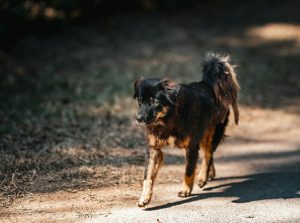
It’s important to remember that every dog is an individual. Breed tendencies can influence behavior, but they don’t define it completely. A high-energy dog may need more exercise before training sessions. A shy dog may need extra patience and encouragement. Comparing one dog to another often leads to frustration. Progress should be measured against the dog’s own starting point, not an ideal standard.
Finally, successful dog training requires patience. Mistakes will happen. Progress is rarely linear. There will be days when it feels like nothing is working. In those moments, stepping back and simplifying the task can make a big difference. Training should feel like a conversation, not a battle.
When done thoughtfully, dog training improves more than behavior. It builds trust, strengthens communication, and creates a partnership where both dog and human know what to expect from each other. That understanding is what turns training into a lasting, positive part of everyday life.